


Attorney
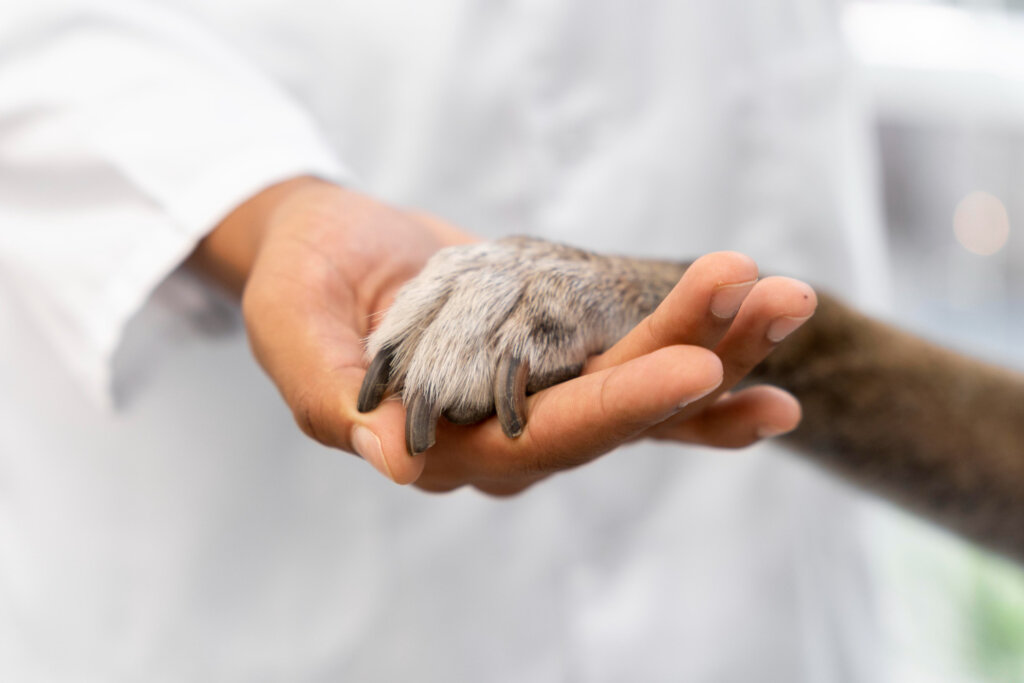
For most people, a trip to the zoo or a pet shop is a weekend hobby. But for vets, animal caretakers, zookeepers, and entertainers, working with animals, especially those in cages or enclosures, is a daily professional reality. While these roles are often born out of a passion for wildlife, they come with significant physical risks.
When an animal-related accident happens on the clock, the legal path to recovery can be as complex as the habitats themselves. Whether you are a zookeeper in DC, a pet shop associate in Maryland, or a professional entertainer in Virginia, here is what you need to know about your rights and your recovery.
The Unique Hazards of Animal Caretaking
Accidents involving animals in cages or confined spaces often fall into three categories:
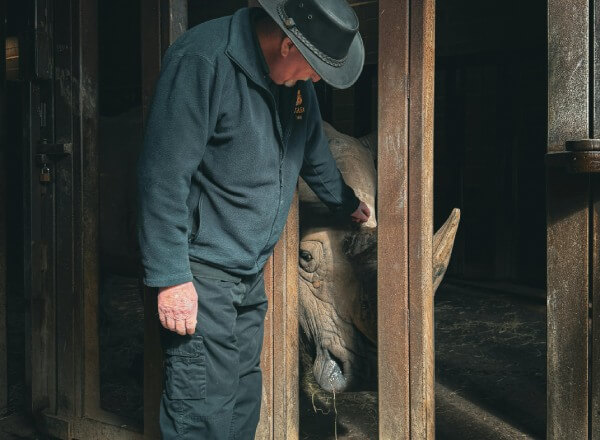
- Equipment Failure & Design Flaws: Many injuries in zoos occur not because of the animal’s temperament, but because of faulty “shifting doors,” latch failures, or poorly maintained enclosures. If a cage door fails or a secondary containment system isn’t up to code, the resulting injury is often catastrophic.
- The “Small” Injury That Isn’t: In pet shops and veterinary clinics, bites and scratches from smaller animals are frequently dismissed. However, these can lead to serious infections like cellulitis or zoonotic diseases that require hospitalization and long-term care.
- Physical Strains and Crushes: Handling heavy cages, lifting large bags of feed, or being pinned against a wall by a spooked animal can lead to severe musculoskeletal injuries, broken bones, or internal trauma.
Legal Protections: Workers’ Compensation vs. Personal Injury

If you are injured while working with animals, your legal recourse typically depends on your employment status and the nature of the accident.
1. Workers’ Compensation (The “No-Fault” Path)
In the District of Columbia, Maryland, and Virginia, most employees are covered by workers’ compensation. This is a “no-fault” system, meaning you generally do not have to prove your employer did anything wrong to receive benefits. If you were bitten while feeding a tiger or threw out your back cleaning a reptile enclosure, you are likely entitled to:
- Medical Expenses: Coverage for all necessary treatment, from emergency room visits to physical therapy.
- Lost Wages: Partial replacement of income if your injury prevents you from working.
- Vocational Rehabilitation: Help returning to work if your injury requires a change in career path.
2. Third-Party Personal Injury Claims
Sometimes, an injury is caused by someone other than your employer. For example, if a defective cage manufactured by an outside company fails, or if a guest at a zoo leaves a gate open, you may be able to file a third-party personal injury claim. Unlike workers’ comp, these claims allow you to seek compensation for “pain and suffering”, but they require proving negligence.
The “Inherently Risky” Defense
A common hurdle for animal entertainers and high-risk caretakers is the “Assumption of Risk” or the “Inherently Risky Activity” defense. Employers or third parties may argue that because you chose a career working with dangerous animals, you “accepted” the possibility of an injury.
However, recent legal developments (including landmark cases involving animal trainers) have shown that inherent risk does not mean an employer can ignore safety. OSHA’s General Duty Clause requires employers to provide a workplace free from “recognized hazards.” If your employer failed to provide proper Personal Protective Equipment (PPE), ignored a history of animal aggression, or skipped safety training, they can, and should, be held accountable.
How Koonz McKenney Johnson & DePaolis LLP Can Help

At Koonz McKenney Johnson & DePaolis LLP, we understand that animal caretakers and entertainers face hazards most people can’t imagine. With over 40 years of experience serving the DMV area, our team knows how to navigate the intersection of workers’ compensation and premises liability.
- Determining Your Employment Status: Many entertainers are classified as “independent contractors.” We can help determine if you are actually an employee entitled to workers’ comp, or if a personal injury suit is your best path forward.
- Investigating Safety Violations: We look at maintenance logs, OSHA reports, and industry safety standards to see if your injury was preventable.
- Fighting for Full Recovery: From chronic infections to traumatic brain injuries, we ensure your settlement reflects the true, long-term cost of your accident.
You dedicated your career to the care of animals; let us dedicate ours to your care. If you have been injured on the job, contact us today for a free consultation. We don’t charge any fees unless we win your case.