

Property owners in Northern Virginia have a responsibility to maintain reasonably safe conditions for visitors, customers, tenants, and others lawfully on their property.
When dangerous conditions are ignored, serious injuries can happen. Slip and falls, poor lighting, unsafe stairways, negligent security, and other hazards can leave victims dealing with medical expenses, lost income, and long recoveries.
If you were injured because of unsafe property conditions in Fairfax or elsewhere in Northern Virginia, understanding your rights under Virginia premises liability law is an important first step toward protecting your claim. If you have questions about your situation, contact the premises liability lawyers at Koonz for a free case review and to help you better understand your options.
What Is Premises Liability?
Premises liability refers to injuries caused by dangerous or unsafe conditions on someone else’s property.
Property owners, businesses, landlords, and others responsible for maintaining property may be held liable when they fail to address hazards or warn visitors about unsafe conditions.
A premises liability case may involve situations where a property owner:
- fails to repair a dangerous condition
- ignores known safety hazards
- does not provide adequate maintenance or security
- fails to warn visitors about unsafe conditions
These cases are often evaluated based on what is considered negligence and whether the property owner acted reasonably under the circumstances.
Common Types of Premises Liability Cases
Premises liability claims can arise in many different environments throughout Northern Virginia, including apartment complexes, shopping centers, office buildings, restaurants, and parking garages.
Common examples include:
Slip and Fall Accidents
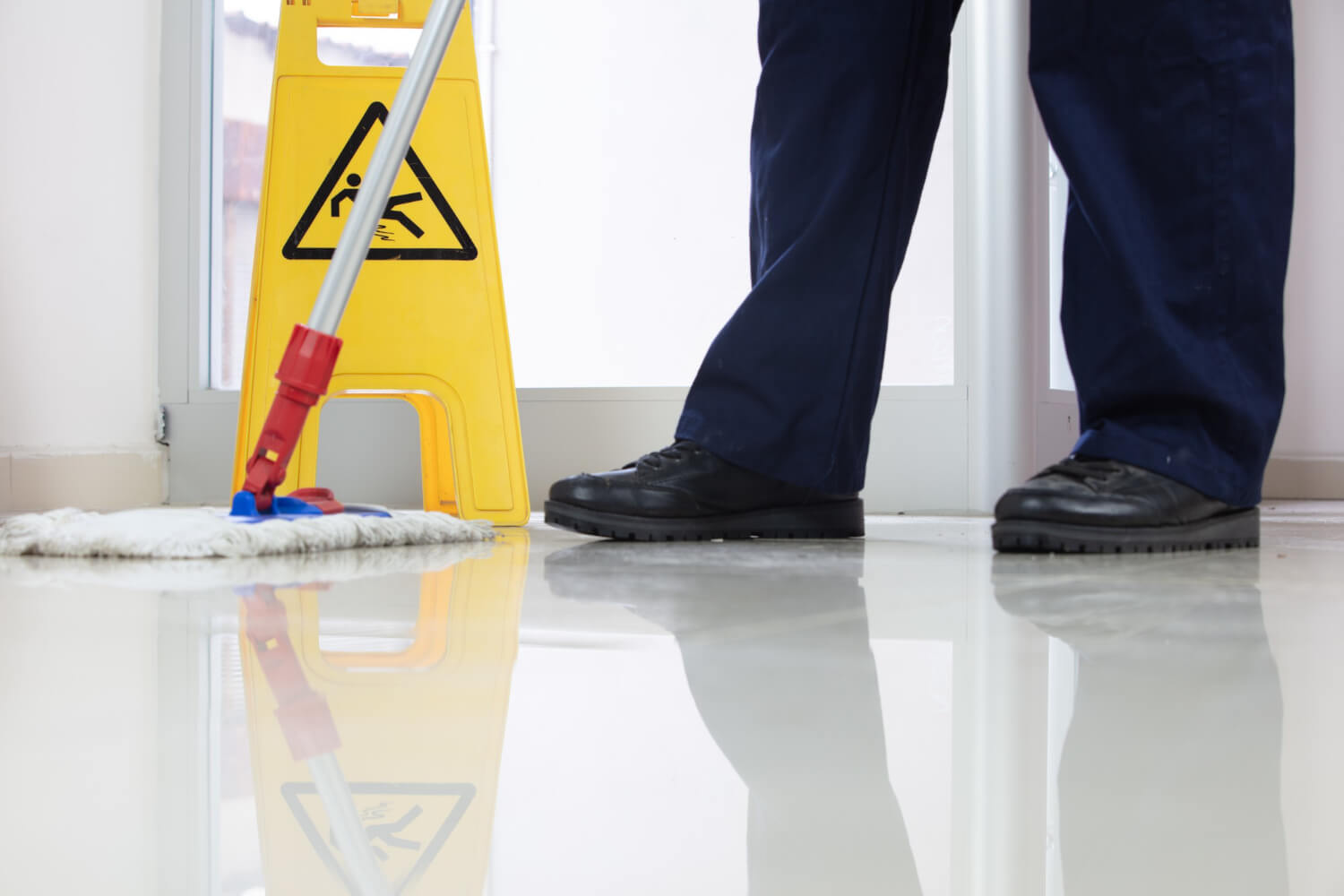
Wet floors, loose flooring, uneven sidewalks, and unmarked hazards are among the most common causes of premises liability injuries.
Negligent Security
Property owners may be responsible when inadequate security contributes to assaults, robberies, or other violent incidents.
Unsafe Stairways and Walkways
Broken handrails, damaged steps, cracked pavement, and poorly maintained walkways can create dangerous conditions.
Dog Bite Injuries
Dog owners and property owners may be liable when a dangerous dog injures someone on private property. These cases often involve questions about control of the animal and whether reasonable steps were taken to prevent the attack.
Apartment and Rental Property Hazards
Landlords and property managers may be responsible for unsafe conditions affecting tenants and visitors.
Parking Lot and Garage Accidents
Poor lighting, unsafe surfaces, and inadequate maintenance in parking areas can increase the risk of injury.

What Must Be Proven in a Premises Liability Case?
A premises liability claim generally requires proving that:
- a dangerous condition existed on the property
- the property owner knew or should have known about the condition
- the hazard was not properly fixed or addressed
- the dangerous condition caused the injury
One of the most important issues in many Virginia premises liability claims is whether the property owner had notice of the dangerous condition and enough time to correct it.
This process is part of how liability is determined after an accident, using evidence to establish fault and responsibility.
Why Premises Liability Cases Can Be Difficult in Virginia
Virginia follows strict contributory negligence rules.
Under this rule, an injured person may be prevented from recovering compensation if they are found even slightly responsible for the accident.
Insurance companies and property owners often argue that:
- the hazard was obvious
- the injured person was distracted
- reasonable care was not used
Because of this, premises liability claims in Northern Virginia often involve detailed disputes about fault and responsibility.
What Evidence Is Used in Premises Liability Cases?
Evidence is critical in premises liability claims.
Common forms of evidence include:
- surveillance footage
- incident reports
- witness statements
- maintenance and inspection records
- photographs of the dangerous condition
- medical records and treatment documentation
This evidence may be used to show how long a dangerous condition existed, whether the property owner knew about it, and how the injury occurred.
Understanding what evidence is used in accident cases can help explain how these claims are evaluated.
Common Injuries in Premises Liability Claims
Unsafe property conditions can cause serious injuries, including:
- broken bones
- head injuries and concussions
- back and spinal injuries
- shoulder and knee injuries
- cuts and lacerations
Some injuries may require ongoing treatment, rehabilitation, or long-term medical care.
What Compensation May Be Available?
A premises liability claim may involve both financial and non-financial damages.
Depending on the circumstances, compensation may include:
- medical expenses
- lost wages
- future treatment costs
- pain and suffering
- reduced quality of life
Understanding the difference between economic damages and non-economic damages can help explain how the value of a claim is evaluated.
Filing Deadlines for Northern Virginia Premises Liability Claims
Premises liability claims are subject to strict deadlines under Virginia law.
In most cases, personal injury claims in Virginia must be filed within two years of the date of the accident. Missing this deadline may prevent a claim from moving forward.
Understanding filing deadlines for personal injury claims is important when pursuing compensation after an injury.
Claims involving government-owned property may involve additional notice requirements and shorter timelines.
How a Northern Virginia Premises Liability Lawyer Can Help
Premises liability cases often involve disputes over fault, evidence, and whether the property owner had notice of the dangerous condition.
A lawyer can help by:
- investigating the accident
- preserving evidence and records
- identifying responsible parties
- handling communication with insurance companies
- evaluating damages and losses
These cases can become especially complicated when contributory negligence is raised as a defense.

Protecting Your Rights After a Premises Liability Accident
What you do after a premises liability accident can affect your ability to recover compensation.
Seeking medical treatment, documenting the dangerous condition, and preserving evidence are all important steps. These issues often come into play when someone is pursuing a premises liability claim after suffering injuries on unsafe property.
If you were injured because of dangerous property conditions in Fairfax or elsewhere in Northern Virginia, the premises liability lawyers at Koonz can review your case and help you understand your options.