


Attorney
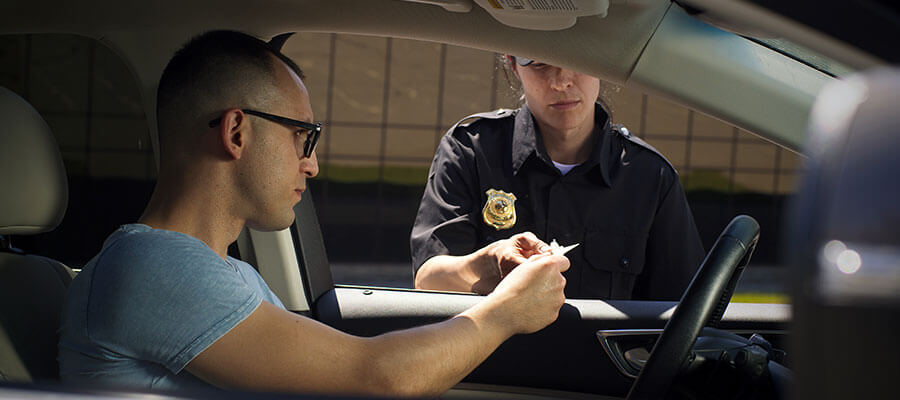
Few interactions with law enforcement are as common as a traffic stop. Whether you were pulled over for speeding, a broken taillight, or another alleged traffic violation, it’s normal to feel nervous or unsure of your rights. Understanding what police officers can and cannot do during a traffic stop can help you protect yourself while avoiding unnecessary conflict.
Although every situation is different, drivers and passengers in Washington, DC have important constitutional rights. If you believe those rights were violated during a traffic stop, you may have legal options.
An experienced Washington, DC police misconduct lawyer can review what happened and help determine whether your rights were violated.
Can Police Pull You Over for Any Reason?
No. A police officer generally must have a legal reason to initiate a traffic stop.
Some common reasons include:
- Speeding
- Running a red light or stop sign
- Equipment violations, such as a broken headlight
- Expired registration
- Suspected impaired driving
- Reckless driving
- Observable traffic violations
In some cases, officers may also stop a vehicle if they reasonably suspect criminal activity based on specific facts.
While an officer does not have to prove you committed a violation before pulling you over, they generally cannot stop someone based solely on a hunch or personal bias.
What Should You Do During a Traffic Stop?
How you respond during a traffic stop can affect both your safety and the outcome of the encounter.
When you are pulled over:
- Safely move your vehicle to the side of the road.
- Turn off the engine.
- Keep your hands where the officer can see them.
- Avoid making sudden movements.
- Wait for instructions before reaching for documents.
Remaining calm and respectful can help prevent misunderstandings while protecting your legal rights.
Do You Have to Show Your License and Registration?
Generally, yes.
If you are the driver, you may be required to provide:
- Your driver’s license
- Vehicle registration
- Proof of insurance if requested
Failing to provide required documentation can lead to additional legal consequences.
Passengers generally are not required to provide identification unless there is a specific legal reason for the officer to request it.
Do You Have to Answer Questions?
Not always.
An officer may ask questions such as:
- Where are you coming from?
- Where are you going?
- Have you been drinking?
- Do you know why I stopped you?
While you should remain polite, you generally have the right to decline to answer questions that could incriminate you.
If you choose not to answer, remain calm and avoid arguing with the officer.
Can Police Search Your Vehicle?
The answer depends on the circumstances.
An officer may search your vehicle in certain situations, including when:
- You give consent
- There is probable cause to believe evidence of a crime is inside
- A lawful arrest creates legal grounds for a search
- Another recognized legal exception applies
If an officer asks for permission to search your vehicle, you generally have the right to refuse consent.
Clearly and respectfully stating that you do not consent to a search may help preserve your legal rights later if questions arise about whether the search was lawful.
Can Police Order You Out of the Vehicle?
Yes.
During a lawful traffic stop, officers generally have the authority to direct drivers and passengers to exit the vehicle.
While you may disagree with the request, refusing to comply could escalate the situation unnecessarily.
If you believe your rights were violated, it is often safer to comply and address the legality of the officer’s actions afterward with an attorney.
What If an Officer Uses Excessive Force?
Police officers may use force in certain situations, but only when it is objectively reasonable under the circumstances.
Examples of potential excessive force include:
- Striking someone who is not resisting
- Continuing to use force after a person has been restrained
- Unnecessarily deploying a Taser
- Using force that is disproportionate to the situation
If excessive force results in injuries, you may have grounds to pursue a civil claim.
What If You Believe Your Rights Were Violated?
If you believe a traffic stop involved police misconduct, there are several important steps you should take afterward.
Seek Medical Attention
If you were injured during the encounter, seek medical treatment as soon as possible. Medical records can become valuable evidence if you later pursue a claim.
Preserve Evidence
Try to save:
- Photos of your injuries
- Videos of the incident
- Dash camera footage
- Medical records
- Police paperwork
- Contact information for witnesses
If nearby businesses or individuals captured the incident on video, ask them to preserve that footage before it is deleted.
Write Down What Happened
As soon as possible, document:
- The date and time
- The location
- Officer names or badge numbers
- Patrol vehicle numbers
- What was said during the stop
- The events leading up to and following the encounter
Memories fade quickly, and detailed notes can become valuable evidence later.
Speak With an Attorney
Claims involving police misconduct often involve constitutional issues, government agencies, and strict legal procedures. Speaking with an experienced Washington, DC personal injury lawyer can help you understand your rights and determine whether legal action may be appropriate.
What Compensation May Be Available?
If a police officer violated your rights and caused you injuries during a traffic stop, you may be entitled to pursue compensation.
Depending on the circumstances, damages may include:
- Medical expenses
- Future medical treatment
- Lost wages
- Loss of future earning capacity
- Pain and suffering
- Emotional distress
- Rehabilitation costs
- Permanent disability
Every case is different, and the compensation available depends on the specific facts of your situation.
How Koonz McKenney Johnson & DePaolis LLP Can Help
If you believe your constitutional rights were violated during a traffic stop, you do not have to navigate the legal process on your own.
At Koonz McKenney Johnson & DePaolis LLP, we have spent decades helping injured individuals throughout Washington, DC hold negligent parties accountable. Our attorneys understand the legal and factual challenges involved in police misconduct cases and work diligently to investigate every claim, preserve critical evidence, and pursue the compensation our clients deserve.
Whether your case involves excessive force, an unlawful search, a false arrest, or another violation of your rights, we are prepared to advocate for you every step of the way.
Contact Koonz McKenney Johnson & DePaolis LLP today to schedule a free consultation with an experienced Washington, DC police misconduct lawyer.