


Attorney

When people think of animal-related legal claims, the “dog bite” is almost always the first thing that comes to mind. However, animals can cause devastating, life-altering injuries without ever baring their teeth. From a cat’s aggressive scratch to a horse’s powerful kick or a collision caused by a stray cow, the legal landscape for “non-bite” injuries is broad and complex.
Regardless of the animal involved or where the incident occurred, if you have been harmed by an animal under someone else’s control, you have rights. Here is a look at the common types of non-bite animal injuries and how the law views them.
1. Scratches, Falls, and “Animal Fright”
You don’t need to be bitten to suffer a serious injury from an animal as recent studies have proven. Some of the most common non-bite claims involve:
- Cat Scratches and Infections: Cat claws carry a variety of bacteria. A deep scratch can lead to “Cat Scratch Disease” (Bartonella), sepsis, or permanent scarring. If a cat is known to be aggressive and the owner fails to warn a guest, they may be liable for the resulting medical bills.
- Knockdowns and Trips: Large, over-excited dogs often jump on visitors or lung toward other pedestrians. This can cause the victim to fall backward, leading to hip fractures, traumatic brain injuries (TBIs), or spinal damage, particularly in elderly victims or children.
- “Animal Fright” Claims: Sometimes, the injury happens because of your reaction to an animal. If a dog charges at you (even if it’s behind a fence or on a leash) and you fall while trying to get away, or if a horse bolts while you are riding it, the owner may be responsible for “fright-induced” injuries if they knew the animal had a propensity for that behavior.
2. Large Animal and Livestock Hazards
In more rural parts of Maryland and Virginia, injuries involving livestock are a significant concern. Because of their sheer size and weight, these animals can cause crushing injuries even without intending to be aggressive.
- Kicks and Trampling: A single kick from a horse or a cow can result in shattered bones or internal organ damage.
- Crushing Injuries: Being pinned against a gate or a wall by a spooked farm animal can lead to “compartment syndrome” or other severe pressure-related trauma.
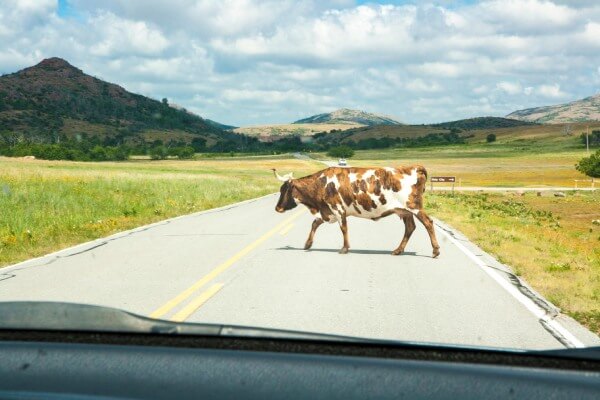
- The “Escape” Factor: Livestock owners have a legal duty to maintain proper fencing. If a cow or horse escapes and wanders onto a public road, causing a motorist to swerve or crash, the owner is often held strictly liable for the resulting damages.
3. Indirect Accidents and Roadway Hazards
Not all animal injuries involve direct physical contact. We often see cases where:
- Cyclist/Motorcyclist Accidents: An off-leash dog running into the path of a cyclist can cause a high-speed wreck.
- Swerve-and-Crash: If a pet owner allows their animal to roam near a busy street, causing a driver to swerve into a ditch or another vehicle, the pet owner’s negligence is the “proximate cause” of the accident.
Understanding Liability: Negligence vs. Strict Liability
The legal “rules” change depending on the type of animal involved:
- Domesticated Animals (Cats, Dogs, Horses): In DC, MD, and VA, cases involving these animals usually center on negligence. We must prove the owner knew (or should have known) the animal had a “dangerous propensity” or that they failed to use reasonable care to restrain the animal.
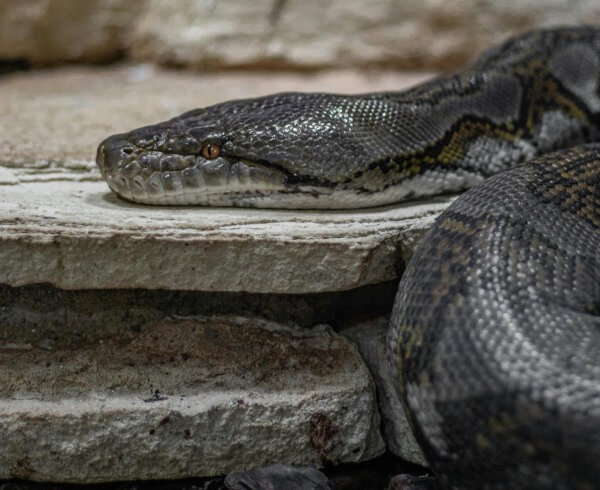
- Wild or “Exotic” Animals: If someone keeps a non-traditional pet (like a wolf-hybrid, a large reptile, or a primate), the law often applies strict liability. This means the owner is responsible for any harm the animal causes, regardless of whether they were “careful” or if the animal had ever been aggressive before.
- Premises Liability: If the injury occurred on a commercial property, like a pet store, a petting zoo, or a boarding stable, the business has a high “duty of care” to ensure guests are not exposed to unreasonable risks.
How Koonz McKenney Johnson & DePaolis LLP Can Help

At Koonz McKenney Johnson & DePaolis LLP, we look beyond the obvious. Animal injury cases require a deep dive into the animal’s history, local leash laws, and property maintenance records.
- Evidence Collection: We interview neighbors, review previous animal control reports, and analyze veterinary records to establish the animal’s history.
- Insurance Negotiations: Most non-bite injuries are covered by homeowners’ or commercial liability insurance. We handle the adjusters so you can focus on healing.
- Comprehensive Damages: We fight for compensation that covers not just your immediate ER visit, but also long-term physical therapy, scar revision surgery, and the psychological trauma that often follows a violent animal encounter.
With over $1 billion recovered for victims across the DMV, our firm has the experience to hold negligent animal owners accountable. If you’ve been hurt, you don’t have to carry the burden alone. Contact us today for a free consultation.