


Attorney
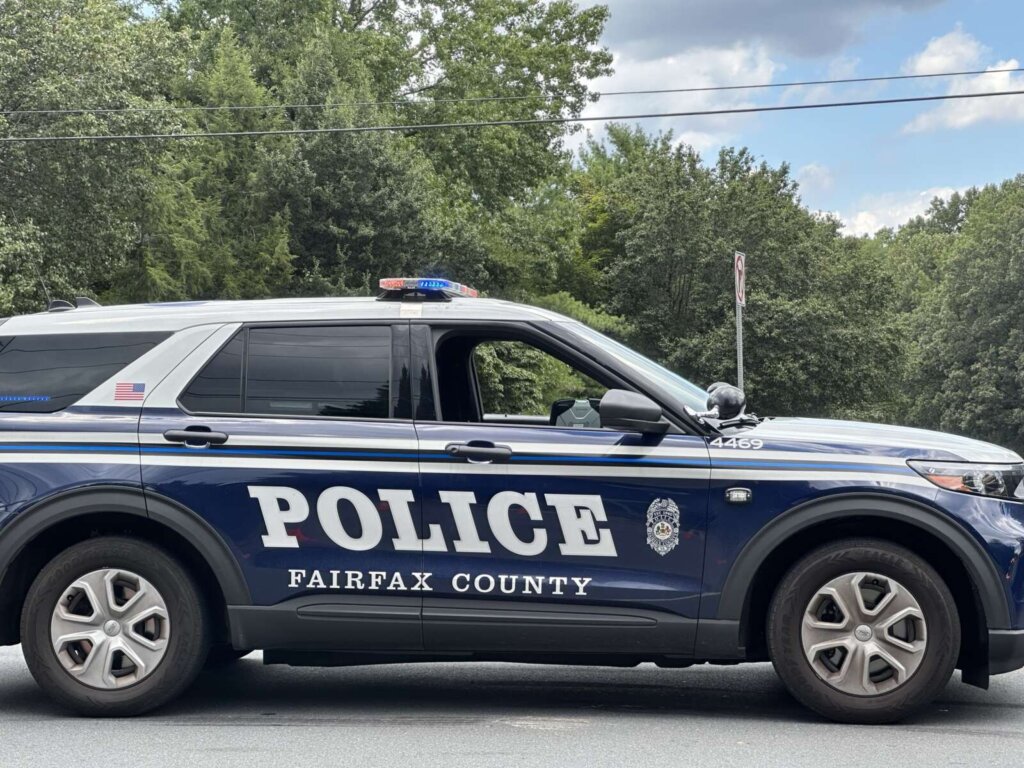
Most interactions between the public and law enforcement are routine and professional. Police officers have an important responsibility to protect their communities and enforce the law. However, they must also respect the constitutional rights of every individual they encounter. When an officer abuses their authority or acts outside the law, victims may have the right to pursue legal action.
Knowing what qualifies as police misconduct can help you recognize when your rights may have been violated. If you were injured or mistreated by law enforcement, speaking with an experienced Virginia police misconduct lawyer can help you understand your legal options.
Understanding Police Misconduct
Police misconduct occurs when a law enforcement officer violates a person’s legal or constitutional rights while performing their official duties. These cases can involve physical force, unlawful arrests, improper searches, or other abuses of authority.
Not every disagreement with a police officer amounts to misconduct. Officers are often required to make difficult decisions under pressure, and the law allows them a certain amount of discretion. However, when their actions become unreasonable, unlawful, or excessive, they may be held accountable through a civil claim.
Victims are often left with far more than physical injuries. Police misconduct can affect someone’s career, finances, reputation, emotional well-being, and confidence in the justice system.
Examples of Police Misconduct in Virginia
Police misconduct can occur in many different situations. Some of the most common examples include the following.
Excessive Use of Force
Officers may only use the amount of force that is reasonable under the circumstances. If force continues after a person has been restrained or no longer presents a threat, it may cross the line into misconduct.
Examples include:
- Repeatedly striking a restrained individual
- Using a Taser without legal justification
- Deploying force against someone who is complying with commands
- Using deadly force when it is not warranted
- Applying unnecessary force during a routine arrest
These incidents can lead to broken bones, head injuries, spinal injuries, internal injuries, and lasting emotional trauma.
Wrongful Arrest
An arrest should be supported by probable cause. When someone is arrested without sufficient legal grounds, they may suffer significant personal and financial consequences.
A wrongful arrest may result in:
- Lost income
- Time spent in jail
- Damage to professional relationships
- Public embarrassment
- Emotional distress
Unlawful Searches
Individuals have important constitutional protections against unreasonable searches and seizures.
Potential examples include:
- Searching a vehicle without legal authority
- Entering a residence unlawfully
- Conducting an improper search of your person
- Seizing personal belongings without justification
Whether a search was lawful depends on the specific circumstances surrounding the encounter.
False Reports or Fabricated Evidence
Police misconduct may also involve dishonest investigative practices.
This can include:
- Preparing inaccurate police reports
- Fabricating evidence
- Knowingly making false statements
- Omitting important facts from official reports
These actions can have serious consequences for anyone accused of a crime.
Mistreatment While in Custody
People who are detained continue to have legal protections.
Misconduct while in custody may involve:
- Physical abuse
- Failure to provide necessary medical care
- Excessive restraint
- Sexual assault or harassment
- Dangerous detention conditions
Officers and detention facilities have a responsibility to protect the health and safety of those in their custody.
Discriminatory Enforcement
Law enforcement decisions should never be based on race, ethnicity, religion, national origin, disability, or another protected characteristic.
Examples may include:
- Targeting individuals because of their race
- Selective enforcement of laws
- Unequal treatment during investigations
- Biased policing practices
Every person deserves equal protection under the law.
What Should You Do After Police Misconduct?
If you believe you were the victim of police misconduct, taking the right steps can help protect both your health and your legal rights.
Get Medical Treatment
Even injuries that seem minor should be evaluated by a medical professional. Prompt treatment protects your health while creating medical documentation that may become important evidence later.
Save Any Available Evidence
Try to preserve anything related to the incident, including:
- Photographs of injuries
- Cell phone videos
- Torn or damaged clothing
- Medical records
- Police paperwork
- Contact information for witnesses
If nearby businesses or individuals recorded the encounter, ask them to preserve the footage before it is deleted.
Document What Happened
As soon as possible, write down everything you remember.
Include details such as:
- Where the incident occurred
- The date and time
- Officer names or badge numbers
- Patrol vehicle numbers
- Statements made during the encounter
- The sequence of events
Accurate notes made shortly after the incident are often much more reliable than trying to remember details months later.
Speak With an Attorney
Police misconduct claims frequently involve government agencies, constitutional issues, and complex procedural requirements. Speaking with an experienced Virginia personal injury lawyer early in the process allows your attorney to begin preserving evidence and protecting your legal rights.
Can You File a Police Misconduct Claim in Virginia?
Depending on the circumstances, individuals who have been harmed by police misconduct may have the right to pursue compensation through a civil claim.
Potential damages may include:
- Medical expenses
- Future medical treatment
- Lost wages
- Reduced earning capacity
- Rehabilitation costs
- Pain and suffering
- Emotional distress
- Permanent disability
Every situation is different. An experienced Virginia police misconduct lawyer can evaluate the facts of your case, explain whether legal action may be appropriate, and help you understand what compensation may be available.
Why These Cases Require Experienced Representation
Police misconduct claims often involve legal issues that are rarely found in ordinary injury cases.
These cases may require attorneys to address:
- Constitutional rights
- Federal civil rights claims
- Government immunity defenses
- Multiple government agencies
- Extensive investigations
- Complex evidentiary issues
Building a strong claim often requires immediate action, detailed investigation, and experienced legal representation capable of standing up to government entities.
How Koonz McKenney Johnson & DePaolis LLP Can Help
If you believe your rights were violated by law enforcement, you deserve answers from a legal team that understands the challenges these cases present.
At Koonz McKenney Johnson & DePaolis LLP, we have spent decades helping injured individuals pursue justice throughout Virginia. We understand how overwhelming it can feel to bring a claim against a law enforcement agency, and we are committed to guiding our clients through every stage of the legal process.
Whether your case involves excessive force, wrongful arrest, unlawful searches, or another violation of your constitutional rights, our attorneys are prepared to investigate your claim, protect critical evidence, and fight for the compensation you deserve.
Contact our team today to schedule a free consultation with an experienced Virginia police misconduct lawyer and learn how we can help you move forward.