


Attorney
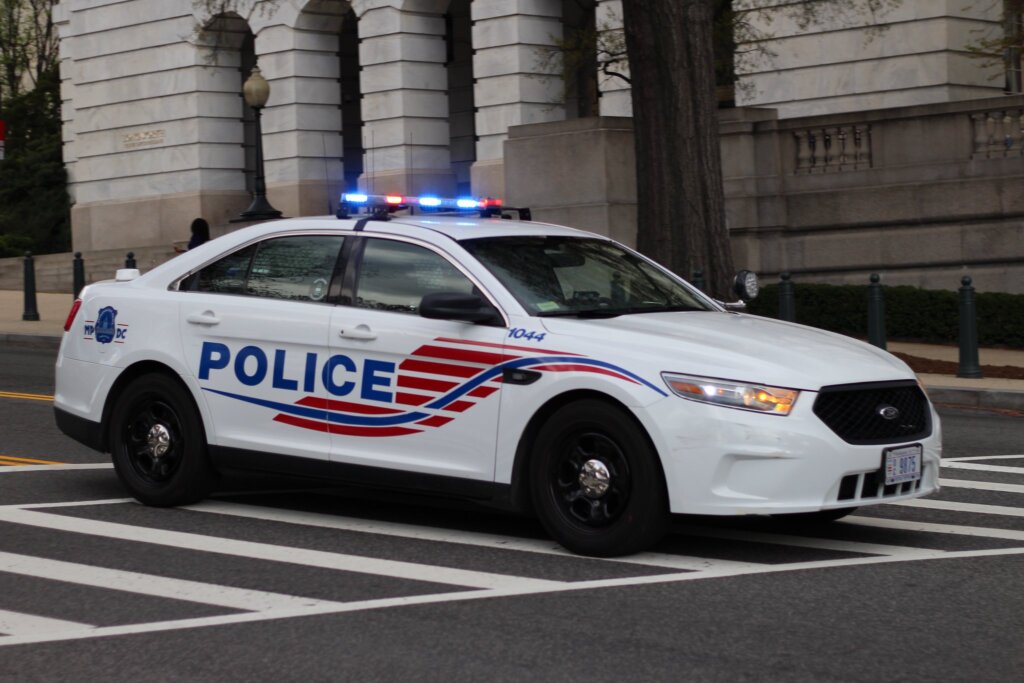
Most people expect law enforcement officers to act professionally, respect their constitutional rights, and use force only when necessary. While the vast majority of officers perform their duties responsibly, there are situations where an officer’s actions cross the line. When that happens, victims may have legal options.
Understanding what qualifies as police misconduct is the first step toward protecting your rights. If you believe you were harmed by the unlawful actions of a police officer, speaking with an experienced Washington, DC police misconduct lawyer can help you determine whether you have a valid claim.
What Is Police Misconduct?
Police misconduct occurs when a law enforcement officer abuses their authority, violates a person’s constitutional rights, or acts outside the scope of the law while performing their duties.
Not every unpleasant interaction with police is considered misconduct. Officers are often required to make split-second decisions in stressful situations, and they are granted a certain amount of discretion when enforcing the law. However, that discretion has limits. When an officer’s actions become unreasonable or unlawful, they may be held accountable through a civil claim.
Victims of police misconduct may suffer physical injuries, emotional trauma, financial losses, and lasting damage to their personal and professional lives.
Common Examples of Police Misconduct
Police misconduct can take many different forms. Some of the most common examples include:
Excessive Force
Police officers may only use force that is objectively reasonable under the circumstances. When an officer uses more force than necessary to control a situation, serious injuries can occur.
Examples may include:
- Striking someone who is already restrained
- Using a Taser when there is no immediate threat
- Applying unnecessary physical force during an arrest
- Continuing to use force after a suspect has complied
- Using deadly force when it is not legally justified
Victims of excessive force may suffer broken bones, traumatic brain injuries, spinal cord injuries, internal injuries, and emotional trauma.
False Arrest
Police generally need probable cause before making an arrest. If someone is arrested without sufficient legal justification, they may have grounds to pursue legal action.
A false arrest can result in:
- Time spent in jail
- Lost income
- Damage to your reputation
- Emotional distress
- Legal expenses
Illegal Search and Seizure
The Fourth Amendment protects individuals against unreasonable searches and seizures.
Examples may include:
- Searching a home without legal authority
- Conducting an unlawful vehicle search
- Seizing personal property without justification
- Performing an illegal search of your person
Evidence obtained unlawfully may have consequences in both criminal and civil proceedings.
Malicious Prosecution
Police misconduct may also involve initiating criminal charges without probable cause or knowingly relying on false information.
These cases often involve allegations that officers:
- Fabricated evidence
- Withheld important information
- Made false statements
- Encouraged false testimony
Abuse While in Custody
People who are arrested or detained still have constitutional rights.
Examples of misconduct while in custody include:
- Physical abuse
- Denial of necessary medical care
- Unreasonable use of restraints
- Sexual assault or harassment
- Inhumane treatment
Racial Profiling and Discriminatory Policing
Law enforcement decisions should never be based on race, ethnicity, religion, or other protected characteristics.
Discriminatory policing may involve:
- Traffic stops without legitimate justification
- Selective enforcement
- Unequal treatment during arrests
- Bias during investigations
What Should You Do If You Believe You Were the Victim of Police Misconduct?
If you believe your rights were violated, the steps you take immediately afterward can make a significant difference.
Seek Medical Care
Even if your injuries seem minor, seek medical treatment as soon as possible. Medical records can provide important evidence if you later pursue a claim.
Preserve Evidence
If possible, save:
- Photos of your injuries
- Videos of the incident
- Damaged clothing
- Medical records
- Police paperwork
- Names and contact information for witnesses
Evidence can disappear quickly, making early preservation extremely important.
Write Down Everything You Remember
As soon as you are able, write down:
- The date and time
- The location
- Badge numbers or officer names
- Patrol vehicle numbers
- What was said
- What happened before, during, and after the incident
Small details that seem unimportant today may become valuable later.
Speak With an Attorney
Police misconduct cases often involve government agencies, constitutional issues, and strict legal deadlines. Speaking with a Washington, DC personal injury lawyer who has experience handling complex injury claims can help you better understand your rights and legal options.
Can You Sue for Police Misconduct in Washington, DC?
Depending on the circumstances, you may be able to pursue compensation if a police officer violated your rights and caused you harm.
Every situation is unique, but victims may be able to recover compensation for:
- Medical expenses
- Future medical care
- Lost wages
- Reduced earning capacity
- Pain and suffering
- Emotional distress
- Rehabilitation costs
- Permanent disability
An experienced Washington, DC police misconduct lawyer can evaluate your case, investigate what happened, and explain the legal options available to you.
Why These Cases Can Be Challenging
Police misconduct claims are often more complicated than other personal injury cases.
They may involve:
- Government agencies
- Multiple defendants
- Federal civil rights laws
- Constitutional questions
- Qualified immunity defenses
- Strict filing deadlines
Building a successful claim often requires a thorough investigation, careful evidence preservation, and experienced legal representation.
How Koonz McKenney Johnson & DePaolis LLP Can Help
If you believe you were injured because of police misconduct, you do not have to navigate the legal process alone.
The attorneys at Koonz McKenney Johnson & DePaolis LLP have decades of experience representing injured individuals throughout Washington, DC. We understand the challenges these cases present and are prepared to investigate your claim, preserve important evidence, and pursue the compensation you deserve.
Whether your case involves excessive force, false arrest, unlawful detention, or another violation of your constitutional rights, we are committed to protecting your rights every step of the way.
If you have questions about whether your experience may qualify as police misconduct, contact our team today to schedule a free consultation with an experienced Washington, DC police misconduct lawyer.