


Attorney
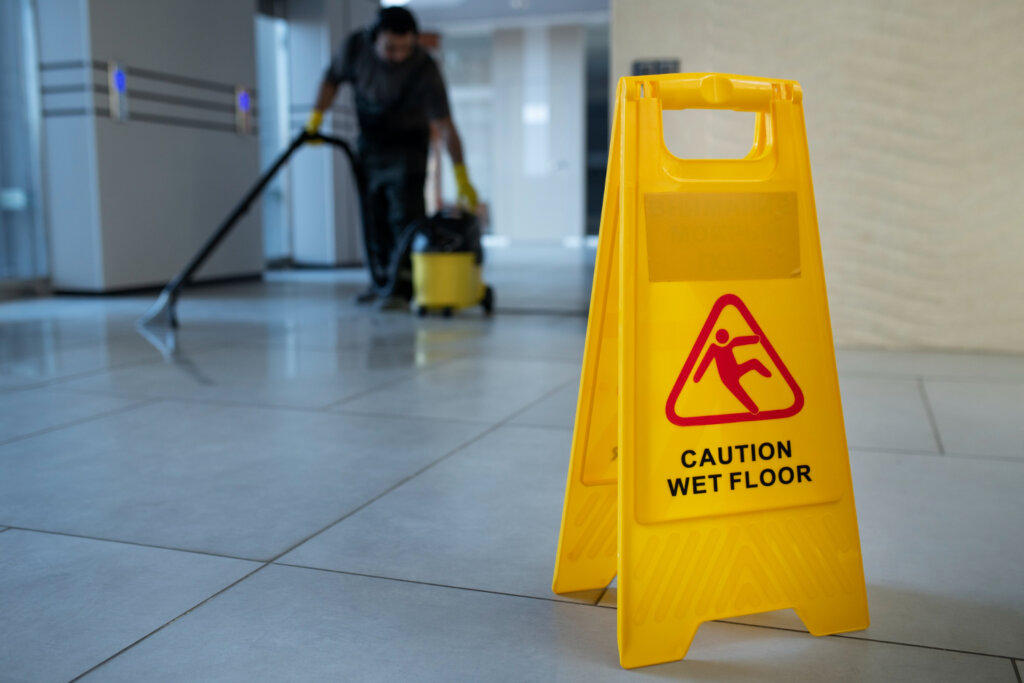
Slip and fall accidents can happen unexpectedly in grocery stores, apartment buildings, restaurants, office buildings, parking garages, and on sidewalks throughout Washington DC.
But just because someone falls on another person’s property does not automatically mean the property owner is responsible.
In Washington DC, liability in a slip and fall case depends on what caused the accident, who had control of the property, and whether someone failed to address a dangerous condition. Understanding who may be responsible is an important first step when evaluating a DC slip and fall claim or broader premises liability case in Washington DC.
If you were injured in a fall and have questions about your legal options, the personal injury lawyers at Koonz can review your situation and help you understand your options.
Property Owners Are Often Responsible
In many slip and fall cases, the property owner may be responsible for maintaining reasonably safe conditions.
Property owners generally have a duty to:
- repair known hazards
- inspect for dangerous conditions
- warn visitors about unsafe areas
When they fail to take reasonable steps to address hazards, injuries can happen.
Common dangerous conditions may include:
- wet or slippery floors
- uneven walkways or broken pavement
- loose flooring or carpeting
- poor lighting
- broken stairways or missing handrails
These situations are commonly involved in Washington DC premises liability claims, particularly when dangerous property conditions are ignored.
Businesses and Commercial Properties
Many slip and fall accidents happen inside businesses.
Grocery stores, restaurants, hotels, retail stores, and office buildings all have a responsibility to reasonably maintain their property for customers and visitors.
A business may be responsible if the accident involved:
- an uncleaned spill
- unsafe flooring
- poor lighting
- debris in a walkway
- failure to warn about a hazard
For example, if a grocery store employee knew about a spill but failed to clean it up or place warning signs, the business may potentially be liable for resulting injuries.
Landlords and Apartment Buildings
Slip and fall accidents are also common in apartment complexes and rental properties throughout Washington DC.
Landlords or property managers may be responsible when unsafe conditions affect common areas, such as:
- broken staircases
- icy or damaged walkways
- poor lighting in hallways or parking areas
- loose railings
Whether a landlord is responsible often depends on who controlled the area where the injury occurred and whether the dangerous condition was known or should have been addressed.
Sometimes Other Parties May Be Responsible
Property owners are not always the only party who may be liable.
In some cases, responsibility may involve:
- maintenance companies
- snow or ice removal contractors
- cleaning companies
- property management groups
For example, if a maintenance company failed to address a known hazard or performed unsafe repairs, they may share responsibility for the accident.
Determining fault often involves reviewing contracts, maintenance records, and who had control over the dangerous condition at the time of the incident.
What Must Be Proven in a Slip and Fall Case?
To pursue compensation, a slip and fall claim generally needs to show that:
- a dangerous condition existed
- the property owner or responsible party knew or should have known about it
- the condition was not repaired or addressed
- the dangerous condition caused the injury
These issues are part of how liability is determined after an accident and whether another party may be held legally responsible.
In many cases, the central issue becomes whether the property owner acted reasonably under the circumstances, which often relates to what is considered negligence in a personal injury case.
Washington DC Contributory Negligence Rules
Washington DC follows strict contributory negligence rules.
This means that if an injured person is found even slightly responsible for the fall, they may be prevented from recovering compensation.
Insurance companies often argue that:
- the hazard was obvious
- the injured person was distracted
- warning signs were ignored
- reasonable caution was not used
Because of this rule, liability disputes are especially important in Washington DC slip and fall cases.

What Evidence Helps Prove Responsibility?
Evidence can play a major role in proving fault after a slip and fall accident.
Helpful evidence may include:
- photographs of the hazard
- surveillance footage
- witness statements
- incident reports
- maintenance and inspection records
- medical documentation
Understanding what evidence is used in accident cases can help explain how responsibility is established and how claims are evaluated.
Filing Deadlines Matter
Slip and fall claims are subject to strict deadlines.
In Washington DC, personal injury claims generally must be filed within three years of the accident. Missing a deadline may prevent a claim from moving forward entirely.
Understanding filing deadlines for personal injury claims can help protect your right to pursue compensation.
Protecting Your Rights After a Slip and Fall Accident
Determining who is responsible for a slip and fall accident is not always straightforward.
Property owners, businesses, landlords, and contractors may all potentially play a role depending on how the accident happened and whether dangerous conditions were ignored. These issues often come into play when someone is pursuing a Washington DC slip and fall case.
If you were injured in a fall and have questions about who may be responsible, the personal injury lawyers at Koonz can review your situation and help you understand your legal options.