

Attorney
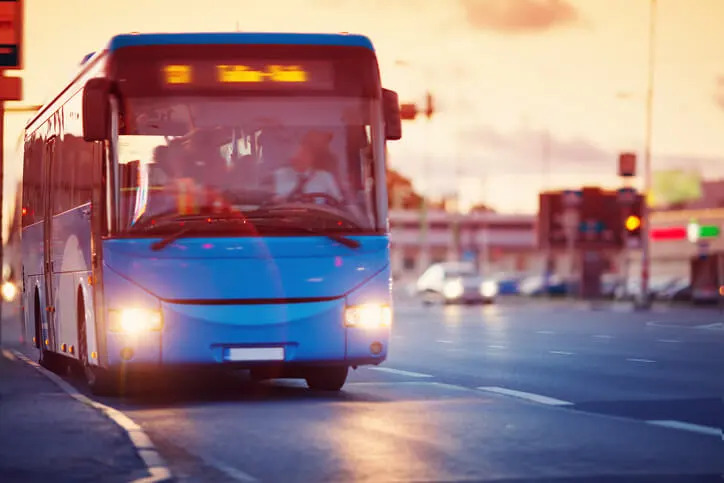
A recent bus crash near the Pentagon involving two transit buses injured more than 20 people and sent multiple passengers to the hospital.
Accidents like this highlight how complex public transit cases can be. When multiple vehicles, agencies, and injured passengers are involved, determining what happens next is not always straightforward.
If you were injured in a public transit accident, understanding the process can help you protect your claim and know what to expect.
If you have questions about your situation, you can contact the Washington DC bus accident lawyers at Koonz to review your case and understand your options.
The Pentagon Bus Crash – What Happened?
In the recent crash near the Pentagon, two transit buses collided head-on near a busy commuter area, injuring more than 20 passengers and sending several people to local hospitals. According to reports, many of those injured were federal employees commuting through the area during the morning rush. Emergency responders quickly secured the scene while investigators began reviewing what led to the collision, including driver actions, road conditions, and vehicle operation.
Incidents like this often lead to complex investigations because multiple parties may be involved, including transit agencies, operators, maintenance providers, and insurance carriers. In serious public transit accidents, investigators typically review accident reports, witness statements, surveillance footage, and other evidence to determine how the crash occurred and who may be legally responsible.
What Happens Immediately After a Transit Accident
After a crash involving public transportation, emergency response is the first priority.
In the recent Pentagon-area crash, first responders evaluated dozens of passengers and transported several to local hospitals. At the same time, transit authorities and law enforcement began documenting the scene.
In most public transit accidents, this initial phase includes:
- emergency medical care for injured passengers
- securing the scene and clearing vehicles
- gathering statements from drivers and witnesses
- preparing official accident reports
These early steps are critical because they create the first record of what happened.
How the Investigation Begins
Public transit accidents are usually investigated by multiple parties at once.
This may include:
- local law enforcement
- transit authorities such as WMATA
- insurance representatives
- in some cases, federal investigators
In the Pentagon bus crash, investigators are expected to review driver actions, vehicle conditions, and roadway factors to determine what caused the collision.
This process is part of how liability is determined after an accident, especially when more than one vehicle or operator is involved.
Who May Be Liable in a Bus Accident
One of the most important questions after a transit accident is who is responsible.
In a crash like the recent bus collision, liability could involve:
- one or both bus drivers
- the transit agency operating the vehicles
- maintenance providers responsible for vehicle condition
- another driver, if a third vehicle was involved
Because these cases often involve multiple parties, determining liability requires a detailed review of evidence, reports, and witness statements.
Claims Involving Public Transit Agencies
Public transit systems are often operated by government entities or public authorities.
This can affect how a claim is handled.
In cases like the Pentagon bus crash:
- claims may need to follow specific procedures
- notice requirements may apply
- timelines may be shorter than standard injury cases
Understanding filing deadlines for personal injury claims is especially important when a government agency is involved, as missing a deadline can prevent a claim from moving forward.
What Happens to Injured Passengers
After the initial emergency response, injured passengers typically begin medical treatment and evaluation.
Claims may involve:
- medical expenses
- lost wages
- pain and suffering
- ongoing treatment or rehabilitation
In larger accidents, like the recent bus crash, multiple individuals may pursue claims at the same time, which can affect how cases are handled and resolved.
How Insurance and Claims Are Handled
Public transit accidents often involve multiple insurance carriers.
Insurance companies will:
- review accident reports and investigation findings
- evaluate injuries and medical records
- assess liability based on available evidence
Because these claims can be complex, insurance companies may take time to determine responsibility and evaluate damages.
Understanding how this process works can help when dealing with insurance adjusters after an accident.
Why These Cases Can Take Time
Transit accident cases often take longer than standard car accident claims.
This is because they may involve:
- multiple injured parties
- government agencies
- overlapping insurance coverage
- ongoing investigations
In the Pentagon bus crash, for example, the investigation into what caused the collision will likely play a major role in how claims move forward.
How This Applies to Washington DC Bus Accident Claims
Accidents involving buses and public transit systems in Washington DC require careful evaluation of liability, evidence, and applicable procedures.
Understanding how these cases work is an important step when evaluating a Washington DC bus accident claim, especially when multiple parties and agencies are involved.
Protecting Your Claim After a Transit Accident
What you do after a public transit accident can affect how your claim is handled.
Seeking medical care, documenting the incident, and understanding how liability and deadlines apply are all important steps. These issues often come into play when someone is pursuing a personal injury claim after a serious accident involving public transportation.
If you were injured in a bus or transit accident and have questions about your situation, the Washington DC bus accident lawyers at Koonz can review your case and help you understand your options.