


Attorney
During pregnancy, your stomach continues to grow, throwing off your normal weight distribution. This distribution can make you feel clumsy, putting you at a higher risk for a slip and fall while pregnant.
While you might be more prone to falls, that does not excuse the negligence of a property owner. Falling during pregnancy not only puts you at risk of serious injury to yourself, but it also poses a risk to your unborn child. Property owners are required to maintain safe premises for all visitors.
When a fall occurs because of someone’s negligence, you might be entitled to compensation. The Maryland, Virginia, and Washington, D.C. slip and fall lawyers at Koonz, McKenney, Johnson & DePaolis, LLC can help.
Complications and Trauma From a Slip and Fall While Pregnant

Women who fall during early pregnancy may not suffer significant complications with their pregnancies. However, a pregnant woman in her second or third trimester is at a higher risk of suffering severe trauma to her stomach, uterus, or the unborn child.
Abdominal Injuries After Slipping and Falling During Pregnancy
Severe injuries might occur to a woman if she falls while pregnant. These injuries may include:
- Preterm Labor – A pregnant woman in her last trimester with a serious injury to her abdomen could encounter preterm labor. That means the baby could be born too early due to the incident. Preterm labor could result in fetal death, especially if the fetus is not at a viable point in the pregnancy.
- Internal Bleeding – Severe injuries to the mother’s stomach or uterus could result in internal organ damage and bleeding.
- Placental Abruption – Placental abruption is a serious condition that involves the placenta detaching from the uterine wall. If this occurs, fetal distress follows. A mother may experience preterm labor, but also excessive bleeding. Abruptions that are not addressed immediately could result in maternal death.
How Timing and Impact Affect Your Risk
Many pregnant women worry about the specific mechanics of a fall, such as landing on their side or buttocks versus their stomach. According to the Mayo Clinic, in the early weeks, the uterus is tucked behind the pelvic bone, offering some natural protection.
While a direct impact to the belly is the primary concern for clinicians, timing is often as important as the position of the fall. Falls occurring in the late second and third trimesters carry more potential risk, as the uterus has expanded beyond the protection of the pelvis.
Regardless of how you fall, if you are beyond 23 weeks, you should contact your healthcare provider immediately for an assessment.
Common Causes of Pregnancy Slip and Fall Accidents
Even if a woman is ready to write off a fall as pregnancy-related clumsiness, many falls that occur in public places are the result of a property owner’s negligence.
Some common causes of pregnancy slip and fall accidents include:
- Slippery Surfaces – From spilled products to mopped areas without warning signs, slippery surfaces are dangerous for anyone, but especially pregnant women.
- Torn Carpeting – Torn carpeting can create a tripping hazard, especially if a pregnant woman’s shoe were to become caught in strings or lifted pieces of the torn carpet.
- Cluttered Aisles – Store owners are required to keep their store aisles clear and free from clutter. Clutter can lead to trips and falls, and objects on the floor might not be easy to see, causing a person to trip.
- Weather Conditions – Regardless of whether it is raining or snowing, property owners must take precautions to ensure their property’s exterior is safe. If a store owner has reasonable time to address ice buildup on the outside of their property but fails to do so, they could be held liable for any injuries they cause as a result.
What to Do If You Fall During Pregnancy
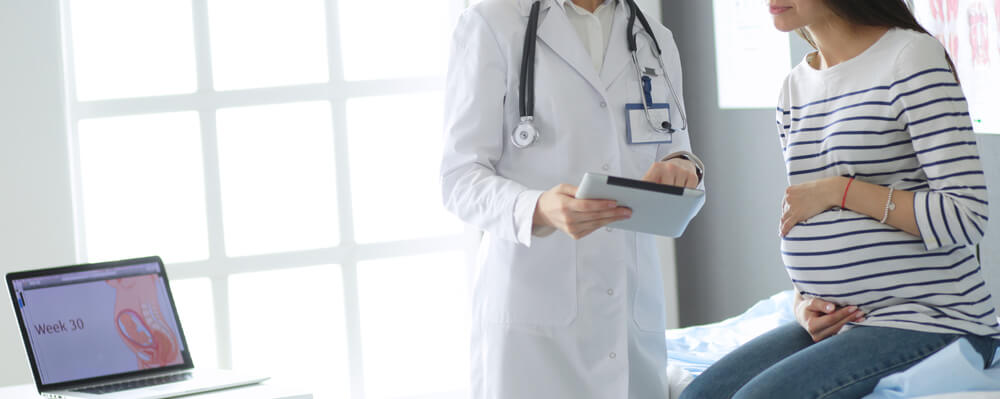
If you fall during the first trimester or the early part of the second trimester, contact your healthcare professional to describe the fall and explain any symptoms. If you fall after about 23 weeks of pregnancy, contact your healthcare professional right away, even if you do not notice any symptoms. You may need to go in for a checkup.
Seek emergency medical care immediately if you see blood or fluid leaking from your vagina, feel pain or tenderness in or around your uterus, have contractions, or do not feel movement from the fetus.
Hold Negligent Owners Responsible for a Slip and Fall While Pregnant
If you experienced a devastating injury from slipping and falling while pregnant, you have the right to hold negligent property owners liable. Koonz, McKenney, Johnson & DePaolis, LLP will fight on your behalf for compensation.
If your fall occurred on someone else’s property due to dangerous conditions like spilled liquids, torn carpet, or ice, you may be entitled to compensation. We help clients navigate premises liability claims across the region. Please select the office location nearest to where your fall occurred:
- Washington, D.C.: Learn about your rights and our premises liability legal services in D.C.
- Virginia: See how we handle premises liability cases in Northern Virginia.
- Maryland: Read about our premises liability representation in Maryland.
If you are unsure where to start, please complete our online contact form, and we will connect you with the right attorney for your case.