


Black box data refers to electronic information recorded by a truck’s onboard system before, during, and after a crash.
Most commercial trucks are equipped with an electronic control module (ECM) or event data recorder (EDR). These systems track how the vehicle is operating and can provide important details about what happened leading up to an accident.
What Information Does Black Box Data Record?
Black box data can capture a range of vehicle activity.
This may include:
- speed at the time of the crash
- braking activity
- throttle position
- engine performance
- seatbelt usage
- sudden changes in motion or impact
In some cases, the system may also record data from several seconds before and after a collision.
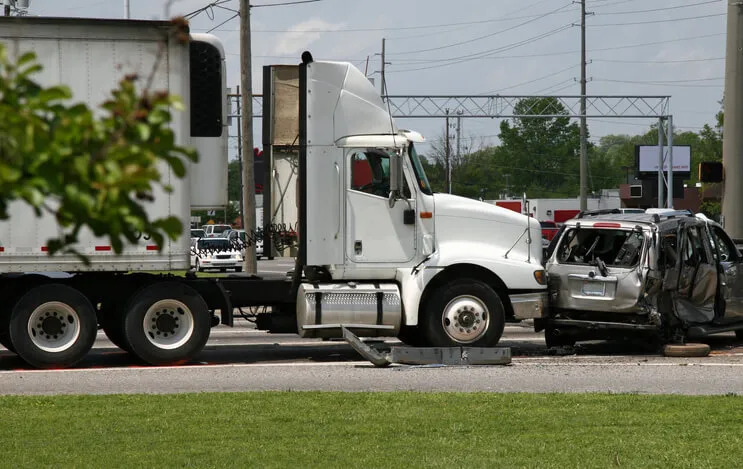
How Black Box Data Is Used in Truck Accident Cases
Black box data is often used as evidence in truck accident claims.
It can help:
- show how the accident occurred
- confirm or challenge driver statements
- identify unsafe driving behavior
- support findings about fault
This type of information is often used alongside other evidence in accident cases to build a clearer picture of what happened.
Why Black Box Data Is Important
Truck accidents often involve serious injuries and complex liability issues.
Because of this, objective data can play a critical role in determining what happened. Black box data provides measurable information that can support or contradict other evidence.
This can be especially important when evaluating how liability is determined after an accident, particularly in cases where fault is disputed.
Who Has Access to Black Box Data?
Black box data is typically controlled by the trucking company or the owner of the vehicle.
Accessing the data may require:
- a formal request
- legal action
- coordination with experts who can retrieve and interpret the data
Because this information can be overwritten or lost over time, it is often important to act quickly after an accident.
How Black Box Data Relates to Driver Responsibility
Black box data can provide insight into how a truck was being operated at the time of the crash.
This may include:
- whether the driver was speeding
- whether brakes were applied
- how the vehicle responded before impact
These details can help evaluate whether the driver followed safety standards and whether any actions contributed to the accident.
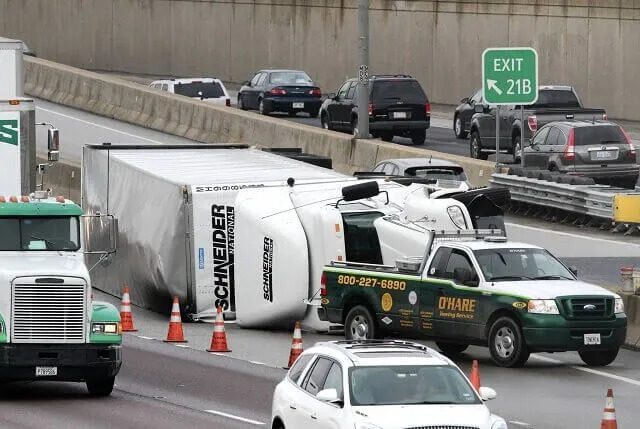
Limitations of Black Box Data
While black box data is useful, it is not the only factor used in a case.
It does not:
- capture the full context of the accident
- explain why a driver acted a certain way
- replace witness statements or other evidence
Because of this, it is typically reviewed along with other documentation when evaluating a claim.
How Black Box Data Affects a Claim
Black box data can influence how a claim is evaluated and negotiated.
It may:
- strengthen a claim by confirming key details
- challenge inaccurate statements
- support expert analysis
In some cases, it can significantly impact how liability and damages are assessed.
Protecting Your Claim
Black box data can be an important part of a truck accident case, especially when liability is unclear or disputed.
Because this information may not be preserved indefinitely, timing can be critical. Understanding how different types of evidence are used can help you better prepare if you are pursuing a claim after a serious accident.
If you have questions about truck accident evidence or believe you may have a case, contact the personal injury lawyers at Koonz for a free review your situation and to you understand your options.